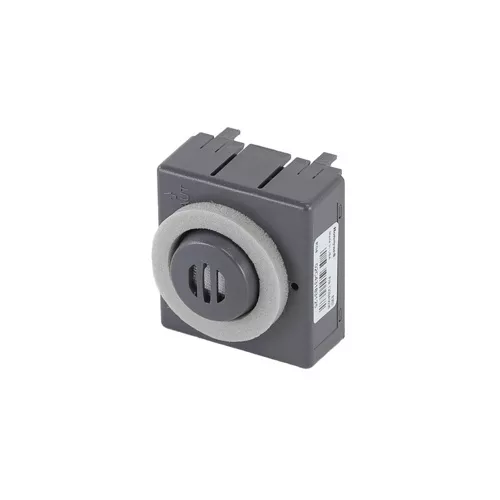
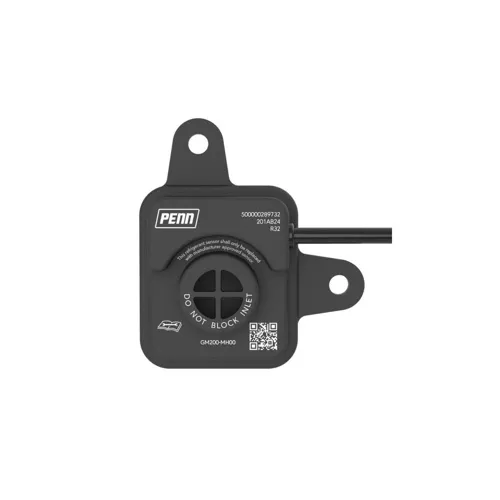
The Johnson Controls GM200-MH00 is a purpose-built A2L refrigerant leak detection sensor designed for R32 applications. Engineered for modern low-GWP refrigerant systems, this sensor delivers reliable, continuous monitoring with digital RS485 Modbus RTU communication output — making it an ideal fit for building automation systems, commercial HVAC equipment, and refrigeration installations that demand precise, real-time gas detection data.
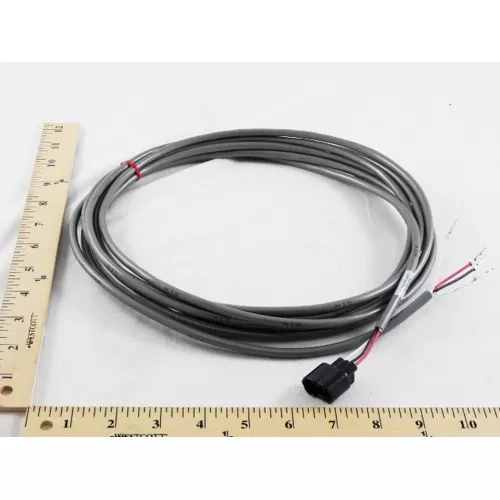
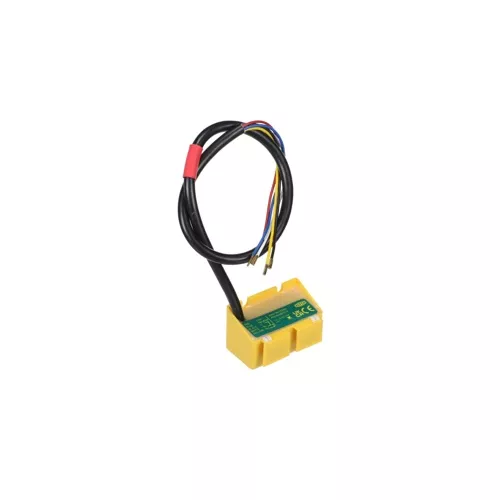
With a 24 V power supply requirement and a 2 ft cable terminated with a male connector, the GM200-MH00 is designed for straightforward integration into control panels and field wiring schemes. The pre-wired cable assembly reduces installation time while the male connector ensures a secure, repeatable connection.
Key Features
- A2L refrigerant detection — specifically calibrated for R32
- RS485 Modbus RTU digital output for seamless BAS/BMS integration
- 24 V operating voltage for compatibility with standard HVAC control circuits
- 2 ft pre-wired cable with male connector for fast, reliable field installation
- Compact sensor design suitable for equipment rooms, mechanical spaces, and refrigerated enclosures
- Supports low-GWP refrigerant compliance monitoring requirements
Specifications
- Model: GM200-MH00
- Brand: Johnson Controls
- Target Refrigerant: R32 (A2L classification)
- Output Signal: RS485 Modbus RTU
- Supply Voltage: 24 V
- Cable Length: 2 ft
- Connector Type: Male
Application
The GM200-MH00 is well-suited for commercial and light industrial HVAC/R installations where A2L refrigerants such as R32 are in use. Its Modbus output allows facility managers and controls engineers to integrate leak detection data directly into supervisory control systems, enabling automated alarms, equipment shutdowns, and ventilation responses in the event of a refrigerant release.